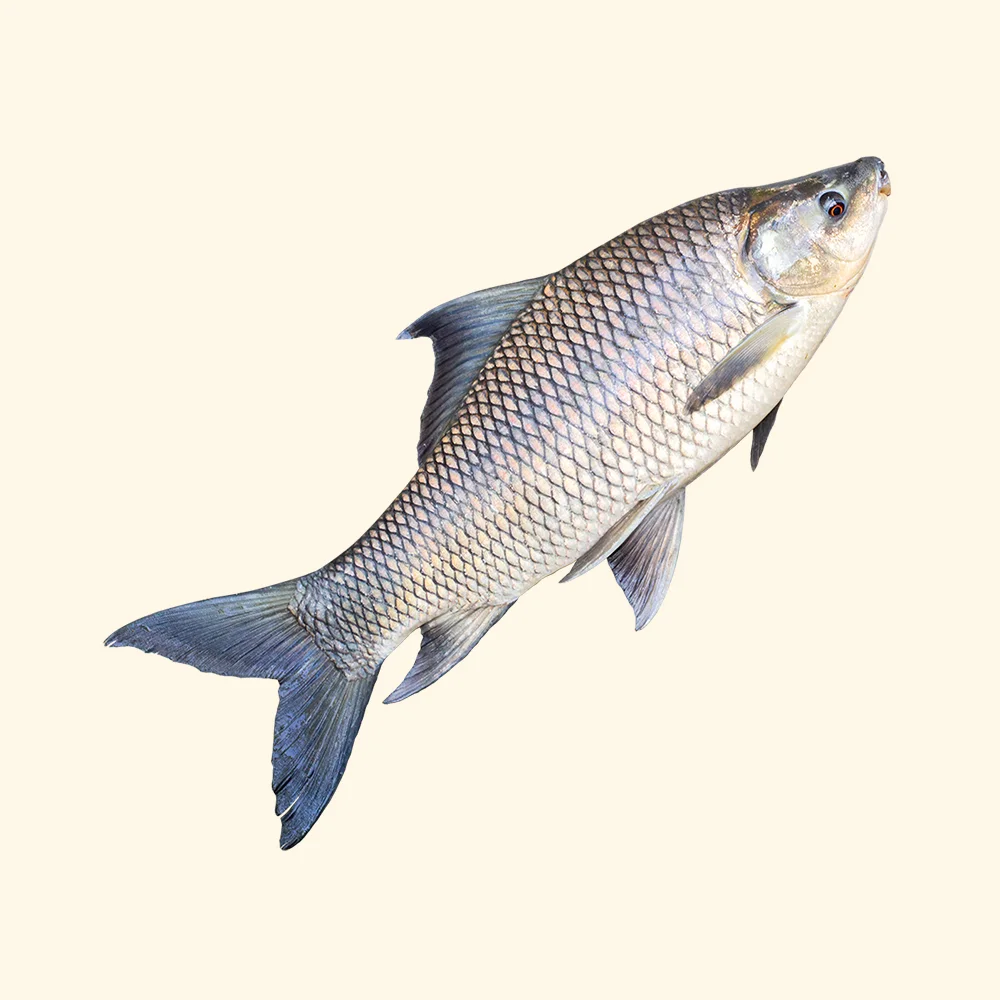
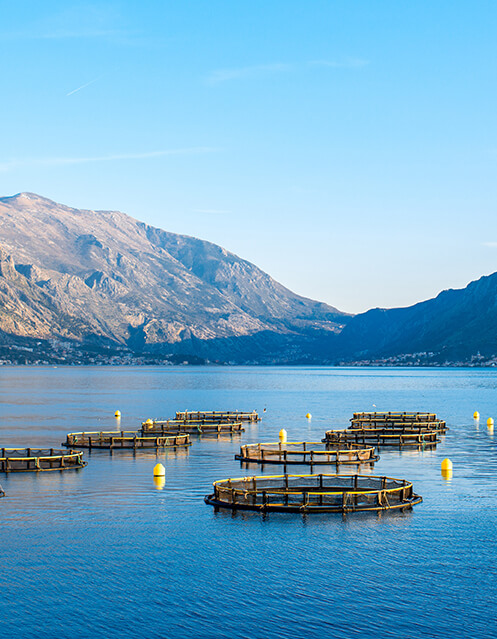
Using its extensive fish trading experience and network, Lotus International Myanmar is now a market leader exporting.
Using its extensive fish trading experience and network, Lotus International Myanmar is now a market leader exporting.
Dry Prawn
Tags
Dry Fish & Prawn
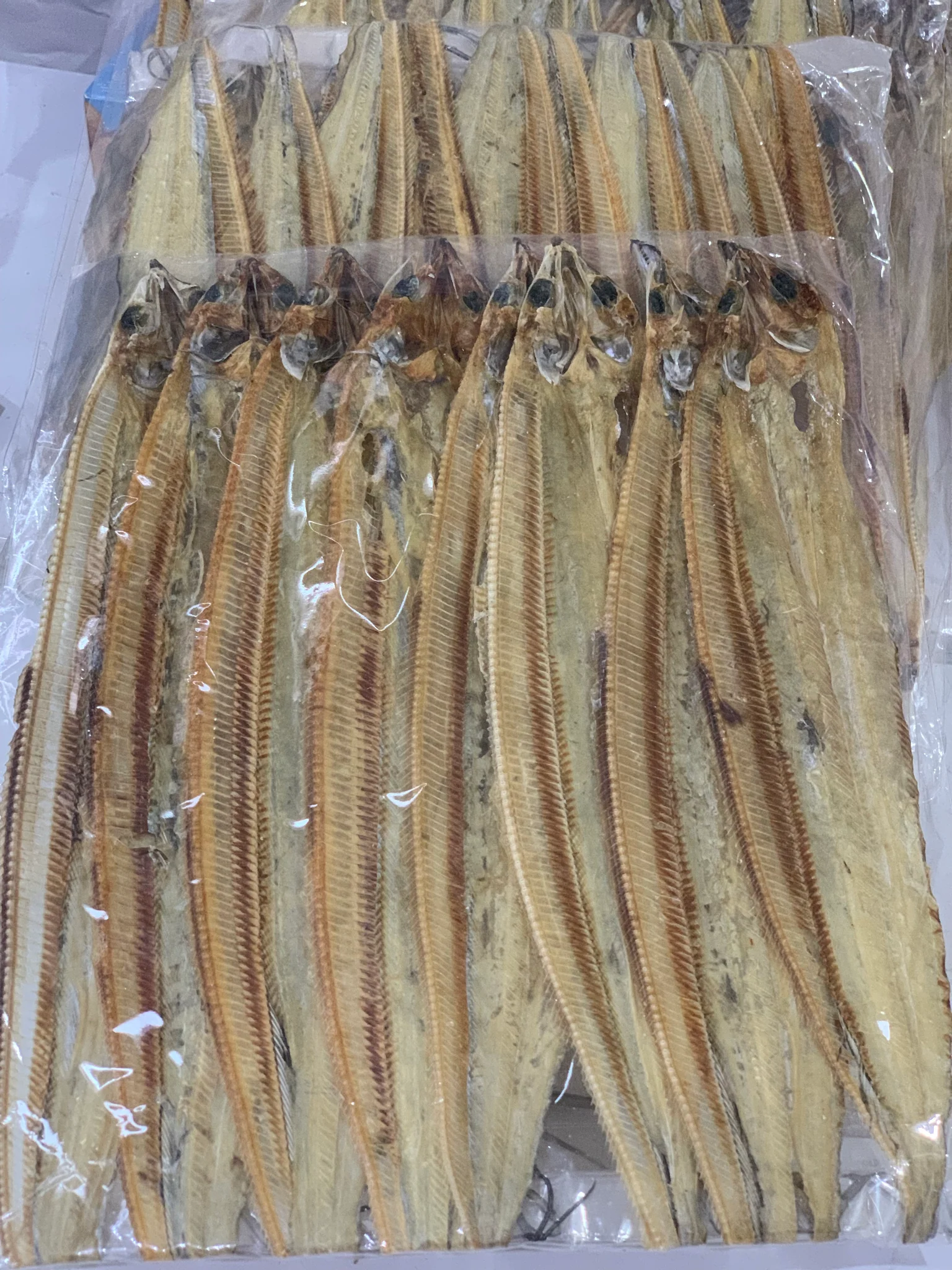
Dry prawn, also known as sun-dried shrimp, is a traditional seafood delicacy loved for its intense aroma, rich umami flavor, and long shelf life. It is a staple in coastal cuisines across Asia, Africa, and the Caribbean, adding depth to curries, stir-fries, and pickles.
Common Name: Dry Prawn / Dried Shrimp
Local Names: Shutki Chingri (Bangladesh), Jhinga Shutki (India), Hae-mi (Korea)
Scientific Name: Penaeus indicus or Penaeus monodon (commonly dried species)
Kingdom: Animalia
Phylum: Arthropoda
Class: Malacostraca
Order: Decapoda
Family: Penaeidae
Note: Multiple species of prawn and shrimp are dried depending on regional availability.
Size (Fresh): 3–12 cm (1–5 inches)
Color:
Fresh: Pinkish to translucent
Dry: Golden brown or reddish-brown
Texture: Crisp and brittle when dry, softens after soaking
Aroma: Pungent, salty, and deeply oceanic
Habitat:
Coastal waters, estuaries, and river mouths
Muddy or sandy seabeds with high nutrient levels
Main Producing Regions:
Asia: Bangladesh, India, Thailand, Vietnam, China
Africa: Nigeria, Senegal
Americas: Mexico, Brazil, Caribbean islands
Drying prawn is an age-old method to extend its usability and intensify flavor.
Step-by-Step Process:
Harvesting: Fresh prawns are caught from coastal waters or estuaries.
Cleaning: Heads and shells may be removed for some varieties; others are dried whole.
Salting: A light salt treatment enhances flavor and prevents bacterial growth.
Sun-Drying: Spread on bamboo mats or raised nets under the sun for 1–3 days.
Storage: Packed in airtight containers to prevent moisture and insect infestation.
Shelf Life: 3–6 months in cool, dry storage.
Dry prawn is incredibly versatile and widely used to create flavor-rich dishes.
Dry Prawn Curry
Cooked with potatoes, brinjal, and mustard oil in a spicy coastal style.
Stir-Fried Dry Prawn
Tossed with garlic, chili, and onions for a crispy side dish.
Dry Prawn Pickle
Preserved with mustard oil, chili, and garlic for long-term storage.
Flavoring Agent
Ground into a powder to enhance soups, stews, and fried rice dishes.
Pro Tip: Briefly soak or rinse dry prawns before cooking to reduce salt and soften texture.
| Nutrient | Approx. Value |
|---|---|
| Calories | 250 kcal |
| Protein | 55 g |
| Fat | 2–3 g (low) |
| Omega-3 Fatty Acids | Present |
| Calcium | Very High |
| Vitamin B12 | Rich |
Health Benefits:
Excellent source of lean protein for muscle growth
High calcium content strengthens bones and teeth
Low in fat yet rich in omega-3 for heart health
Dry prawn is considered a flavor enhancer in many Asian curries and soups.
In Bangladesh and Eastern India, it is a core ingredient in traditional shutki dishes.
Despite its pungent smell, chefs prize it for its deep umami kick in small quantities.
Used in street food snacks and festival recipes in Southeast Asia.
The Starbaim Block is a carefully processed frozen product made from Starbaim fish, scientifically known as Notopterus notopterus. This...
D. Moila Block is made from D. Moila fish (Amblypharyngodon mola), a small and widely consumed freshwater fish species...
Starbaime Block is processed from Starbaime fish (Notopterus notopterus), an elegant freshwater species celebrated for its mild flavor...