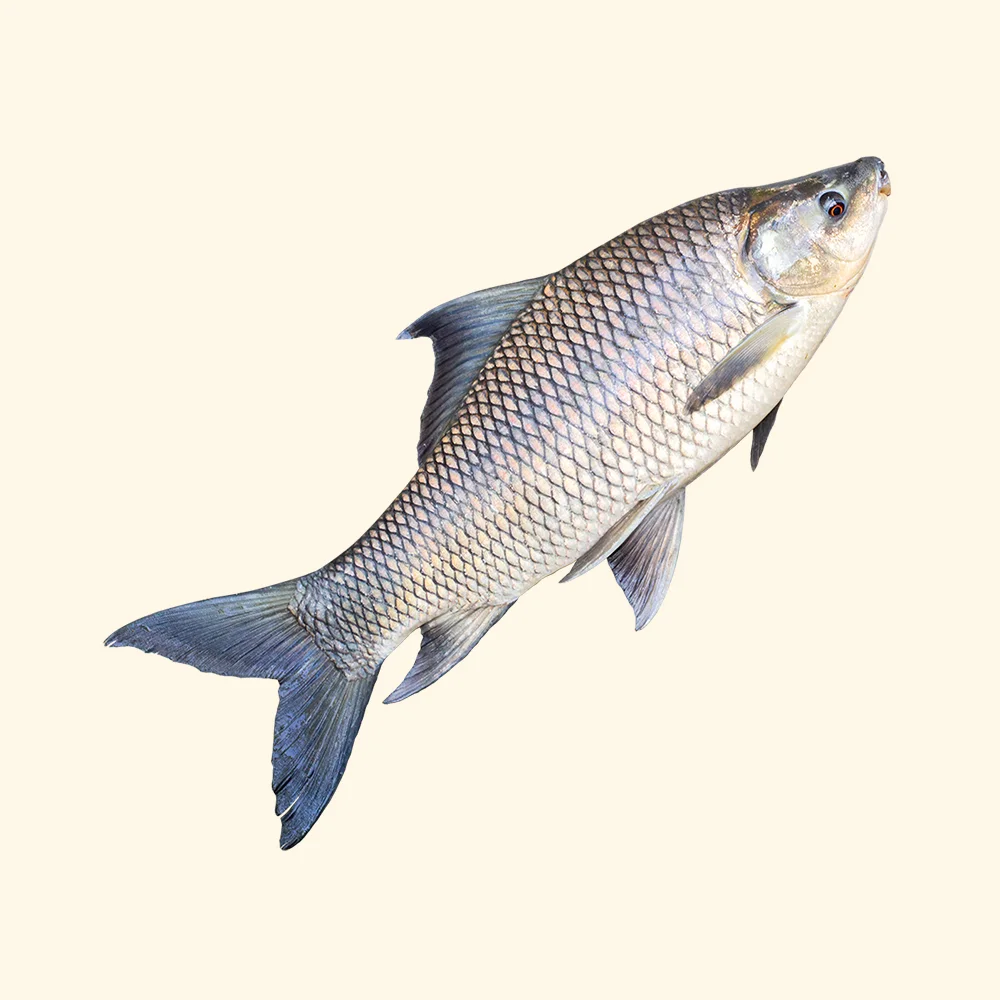
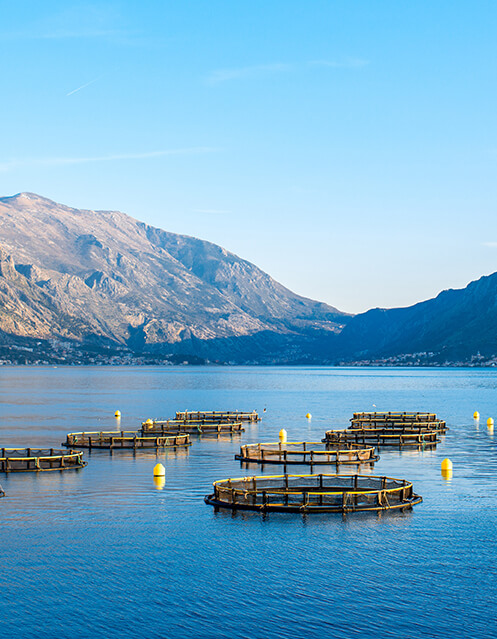
Using its extensive fish trading experience and network, Lotus International Myanmar is now a market leader exporting.
Using its extensive fish trading experience and network, Lotus International Myanmar is now a market leader exporting.
Dry Anchovy
Tags
Dry Fish & Prawn
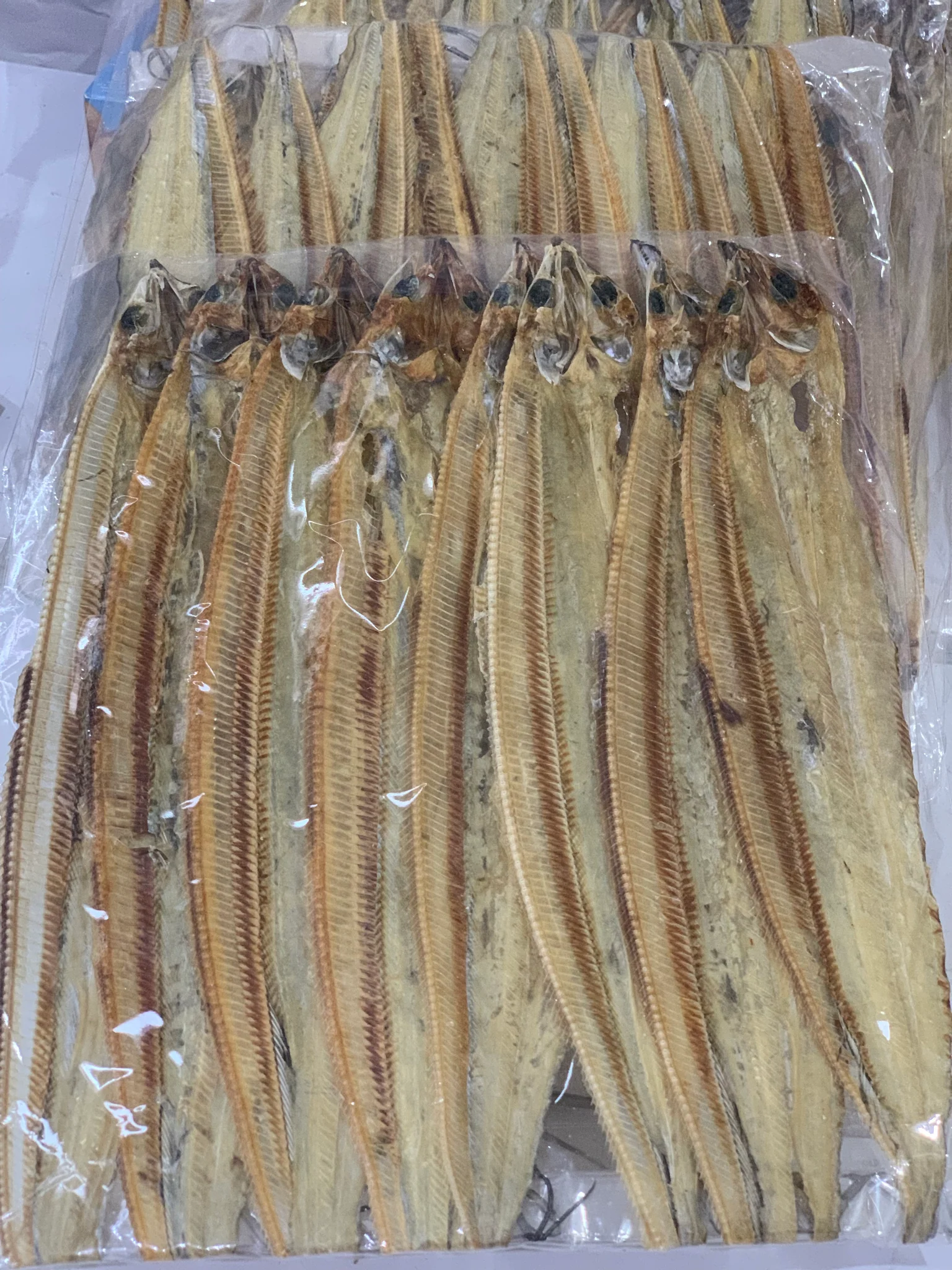
Common Name: Dry Anchovy / Dried Anchovy
Scientific Name: Engraulis encrasicolus (European anchovy, commonly dried)
Kingdom: Animalia
Phylum: Chordata
Class: Actinopterygii (Ray-finned fishes)
Order: Clupeiformes
Family: Engraulidae
Genus: Engraulis
Note: In Asian regions, smaller species such as Stolephorus indicus are widely used for drying purposes.
Body Shape: Slender, elongated body with a pointed snout
Average Length (Fresh): 2–15 cm (1–6 inches)
Average Weight: 2–15 grams per fish when fresh
Color:
Fresh: Silver with a translucent belly
Dried: Pale golden to light brown
Texture: Firm and brittle when dried, softens upon cooking
Distinctive Feature: Rich umami aroma that intensifies during drying
First Historical Use:
Drying anchovies dates back to ancient Mediterranean and Asian civilizations, where sun-drying was used as a preservation method for long sea voyages and seasonal storage.
Natural Habitat:
Coastal waters and shallow bays
Estuarine regions with abundant plankton
Current Global Distribution:
Asia: Philippines, Indonesia, Bangladesh, Thailand, Korea
Mediterranean: Italy, Greece, Spain
Africa & South America: West African coasts and parts of Chile and Peru
The production of dry anchovy involves careful cleaning, salting, and sun-drying to preserve the fish without refrigeration.
Harvesting: Fresh anchovies are caught using fine-mesh nets.
Preparation: Fish are washed thoroughly; some are gutted while smaller varieties are dried whole.
Salting: Light salting enhances flavor and aids preservation.
Sun-Drying: Fish are spread under direct sunlight for 1–3 days until completely dehydrated.
Preservation Benefits:
Prolonged shelf life
Intensified flavor suitable for culinary use
Lightweight and easy to store or transport
Dry anchovy is prized in Asian, Mediterranean, and African cuisines for its intense umami profile.
Soup and Broth Base
Used in Korean (Myeolchi-gukmul) and Japanese (Niboshi dashi) stocks.
Provides a deep, savory flavor for soups and stews.
Stir-Fried or Sautéed
Lightly fried with garlic, soy sauce, and chili for a crispy side dish.
A staple in Korean anchovy banchan.
Powdered Seasoning
Ground into a fine powder and used to enhance sauces, curries, and rice dishes.
Mediterranean Use
Crumbled dry anchovies are sometimes added to pasta, salads, and pizzas for an extra umami punch.
Cooking Tip:
Briefly rinse in warm water to reduce excess salt before cooking.
Avoid overcooking to prevent bitterness.
Calories: ~210 kcal
Protein: ~42 g
Fat: ~3 g (rich in Omega-3 fatty acids)
Carbohydrates: 0 g
Minerals: Calcium, Iron, Phosphorus, Selenium
Vitamins: B12, Niacin, Vitamin D
Health Benefits:
Supports bone health due to high calcium content
Provides lean protein for muscle growth
Contributes to heart health through omega-3 fatty acids
The Starbaim Block is a carefully processed frozen product made from Starbaim fish, scientifically known as Notopterus notopterus. This...
D. Moila Block is made from D. Moila fish (Amblypharyngodon mola), a small and widely consumed freshwater fish species...
Starbaime Block is processed from Starbaime fish (Notopterus notopterus), an elegant freshwater species celebrated for its mild flavor...