Using its extensive fish trading experience and network, Lotus International Myanmar is now a market leader exporting.
Using its extensive fish trading experience and network, Lotus International Myanmar is now a market leader exporting.
Dry Lotia
Tags
Dry Fish & Prawn
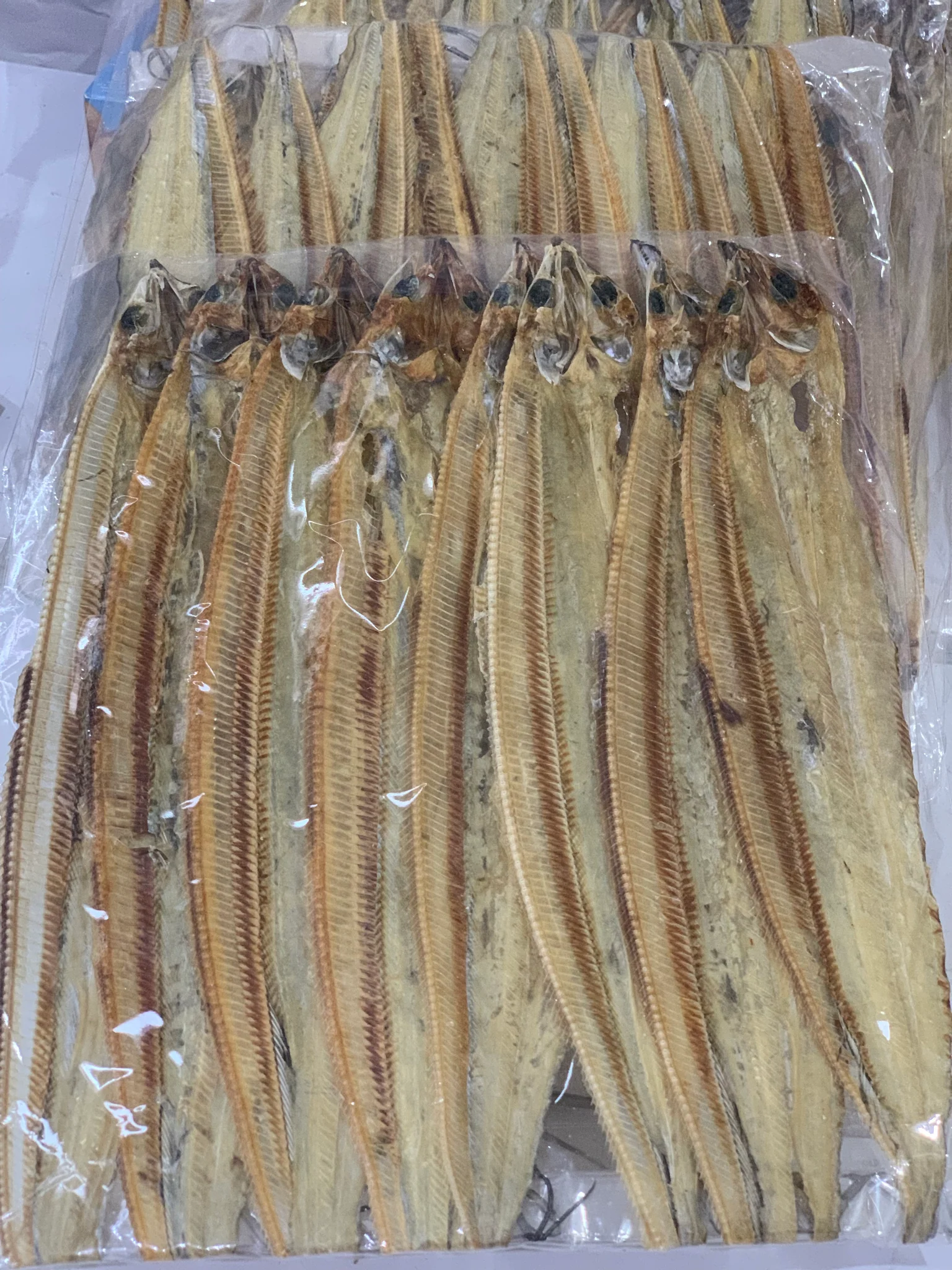
Dry Lotia fish is a traditional delicacy in South Asian and coastal cuisines, celebrated for its intense aroma, concentrated umami taste, and long shelf life. Loved in curries, stir-fries, and pickles, this humble dried fish has a history as old as maritime trade itself.
Common Name: Dry Lotia / Sun-Dried Lotia Fish
Local Names: Lotia Mach (Bangladesh), Lotte (India)
Scientific Name: Harpadon nehereus (commonly known as Bombay duck before drying)
Family: Synodontidae
Category: Small coastal fish, elongated and slender
Size (Fresh): 10–25 cm in length
Average Weight: 20–100 grams per fish (fresh)
Lotia fish thrives in tropical and subtropical coastal waters, where nutrient-rich estuaries meet the sea.
Native Habitat:
Shallow coastal regions and muddy river mouths
Brackish waters of estuaries
Major Production Regions:
Bangladesh: Cox’s Bazar, Moheshkhali, and Kuakata
India: West Bengal, Odisha, and Maharashtra
Pakistan: Sindh coastal belts
Drying Lotia fish is a time-honored preservation method that enhances its flavor and shelf life.
Harvesting: Fresh Lotia fish is caught from coastal nets.
Cleaning: Scales removed, and fish are washed in seawater.
Salting: Light salting improves preservation and deepens flavor.
Sun-Drying: Fish are spread on bamboo racks or sandy shores for 2–5 days.
Storage: Packed in airtight containers to prevent moisture absorption.
Result: A golden-brown, firm-textured fish with a distinct aroma and concentrated flavor.
Dry Lotia is highly versatile and a star ingredient in coastal kitchens. Its rich umami and aromatic presence make it perfect for flavorful dishes.
Traditional Lotia Curry
Cooked with potatoes, pumpkin, or brinjal in mustard oil and chili for a deep coastal flavor.
Crispy Fried Lotia
Shallow-fried with onions, garlic, and green chilies for a spicy side dish.
Lotia Pickle
Preserved with mustard oil, garlic, and red chili to create a tangy, long-lasting condiment.
Flavor Enhancer
Ground into powder to add umami depth to soups and stews.
Pro Tip: Always rinse dry Lotia briefly to remove excess salt before cooking.
| Nutrient | Value per 100g (Approx.) |
|---|---|
| Calories | 230 kcal |
| Protein | 48 g |
| Fat | 4 g |
| Carbohydrates | 0 g |
| Calcium | High |
| Vitamin B12 | Abundant |
Health Benefits:
Excellent source of lean protein for muscle development
Supports bone health with high calcium and phosphorus
Provides omega-3 fatty acids beneficial for heart health
Known as the “flavor bomb” of coastal kitchens.
A key export product from Bangladesh and India to Southeast Asia.
Often associated with festive dishes in fishing communities.
Its aroma is stronger when dry, which is a mark of authenticity for locals.
The Starbaim Block is a carefully processed frozen product made from Starbaim fish, scientifically known as Notopterus notopterus. This...
D. Moila Block is made from D. Moila fish (Amblypharyngodon mola), a small and widely consumed freshwater fish species...
Starbaime Block is processed from Starbaime fish (Notopterus notopterus), an elegant freshwater species celebrated for its mild flavor...