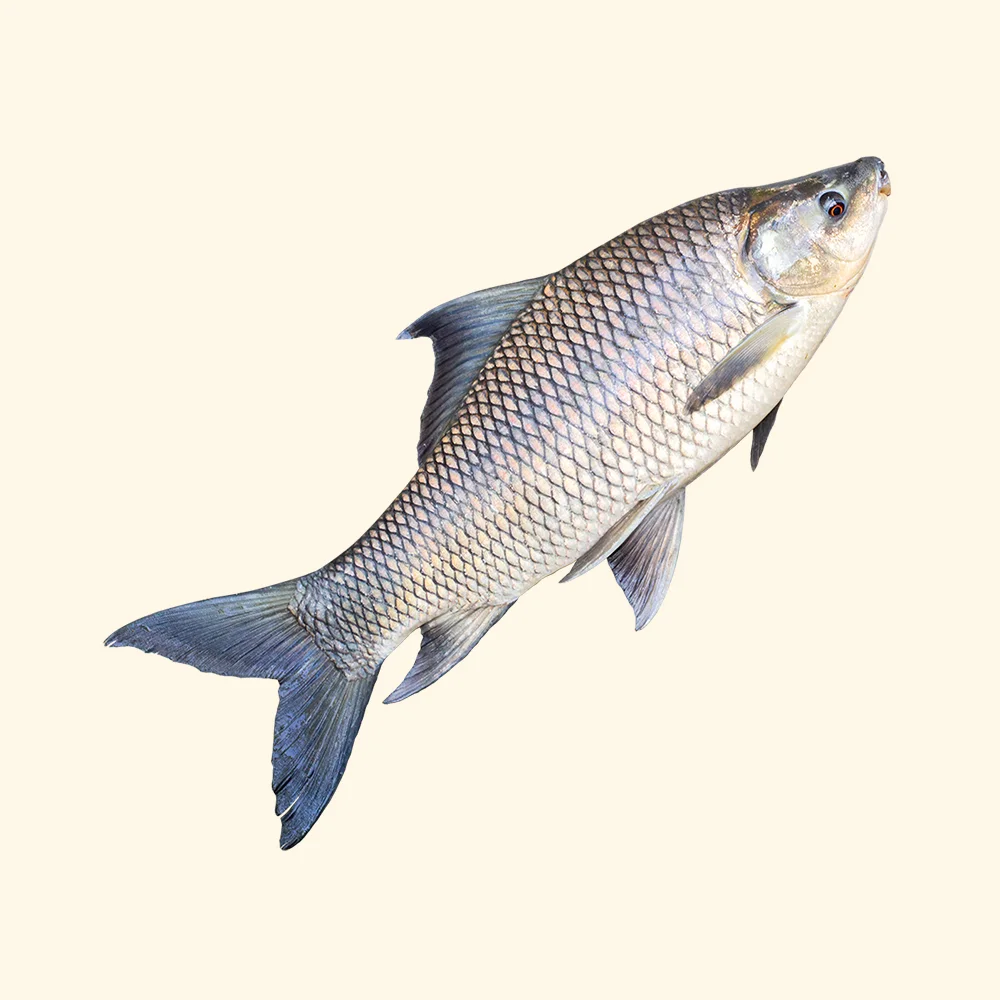
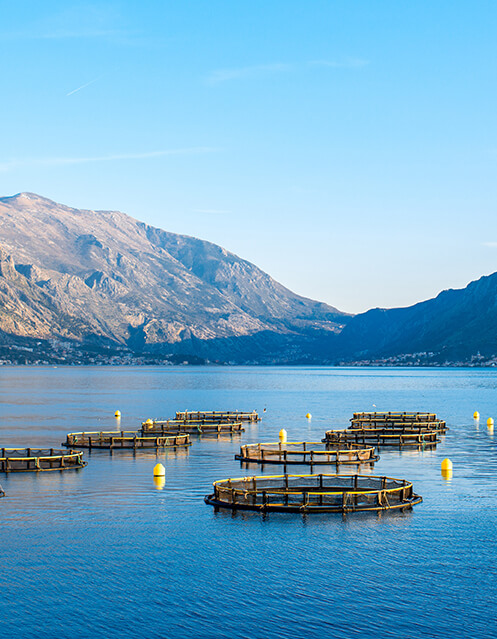
Using its extensive fish trading experience and network, Lotus International Myanmar is now a market leader exporting.
Using its extensive fish trading experience and network, Lotus International Myanmar is now a market leader exporting.
Baby Octopus
Tags
Sea Water Fish
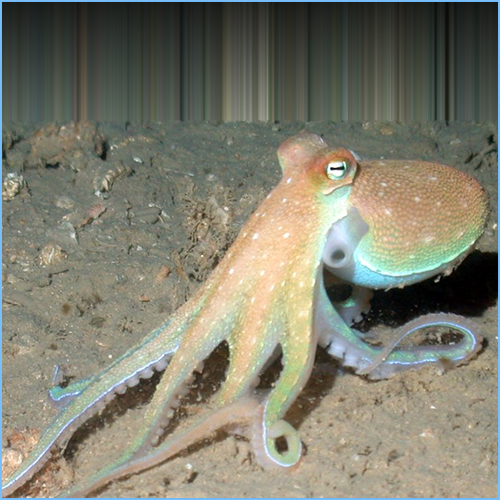
Common Name: Baby Octopus / Juvenile Octopus
Scientific Name: Octopus vulgaris (juvenile stage for common species)
Kingdom: Animalia
Phylum: Mollusca
Class: Cephalopoda
Order: Octopoda
Family: Octopodidae
Note: “Baby octopus” usually refers to juvenile or small-sized octopus species such as Octopus minor or Octopus aegina, commonly sold for cooking.
Size: 5–12 cm (2–5 inches) body length
Weight: 20–100 grams depending on species and age
Arms: 8 small arms with tiny suction cups
Color: Brown, reddish, or grey; can change color for camouflage
Texture: Smooth, soft body
Special Feature: Even as babies, they are capable of ink-squirting for defense
First Born Place:
Baby octopuses hatch from eggs laid in rock crevices or coral reefs in shallow coastal waters.
Female octopus lays hundreds to thousands of eggs and guards them until hatching.
Global Distribution:
Pacific Ocean (Japan, Korea, Indonesia)
Mediterranean Sea
Indian Ocean coastal regions
Life Cycle:
Egg Stage: Protected by the female until hatching.
Larval Stage: Planktonic; floats with ocean currents.
Juvenile Stage: Becomes a small, independent baby octopus.
Adult Stage: Grows rapidly and reaches reproductive maturity within 1–2 years.
Diet: Small crabs, tiny fish, shrimp, clams
Hunting Style: Uses small suction cups to capture prey
Camouflage Ability: Even baby octopuses can change color to hide from predators
Predators: Fish, seabirds, larger octopuses
Baby octopus is a popular seafood in Mediterranean, Japanese, and Korean cuisines because of its tender texture and rich flavor.
Grilled Baby Octopus
Marinate with olive oil, garlic, chili, and lemon
Grill for 2–3 minutes per side until slightly charred
Boiled / Blanched
Simmer in lightly salted water for 3–5 minutes
Use in salads, sushi, or cold appetizers
Stir-Fried
Quickly stir-fry with soy sauce, garlic, ginger, and vegetables
Common in Korean dish “Nakji Bokkeum”
Takoyaki (Japanese Style)
Small pieces of baby octopus are placed inside wheat-flour balls and fried on a takoyaki pan
Don’t overcook; it becomes rubbery quickly
For grilling, pre-boil for a minute to keep meat tender
Marinate with acidic ingredients (like lemon or vinegar) to soften
Calories: ~82 kcal
Protein: ~15 g
Fat: ~1 g
Carbohydrates: ~2 g
Minerals: Rich in Iron, Selenium, Phosphorus, and Vitamin B12
Health Benefit: Low in fat, high in protein, supports muscle health and energy production
Baby octopuses are fully independent right after hatching.
They can squirt ink and camouflage from day one.
Their lifespan is short, usually 1–2 years, and most die after the first reproductive cycle.
In seafood markets, “baby octopus” can also refer to small adult species, not always actual juveniles.
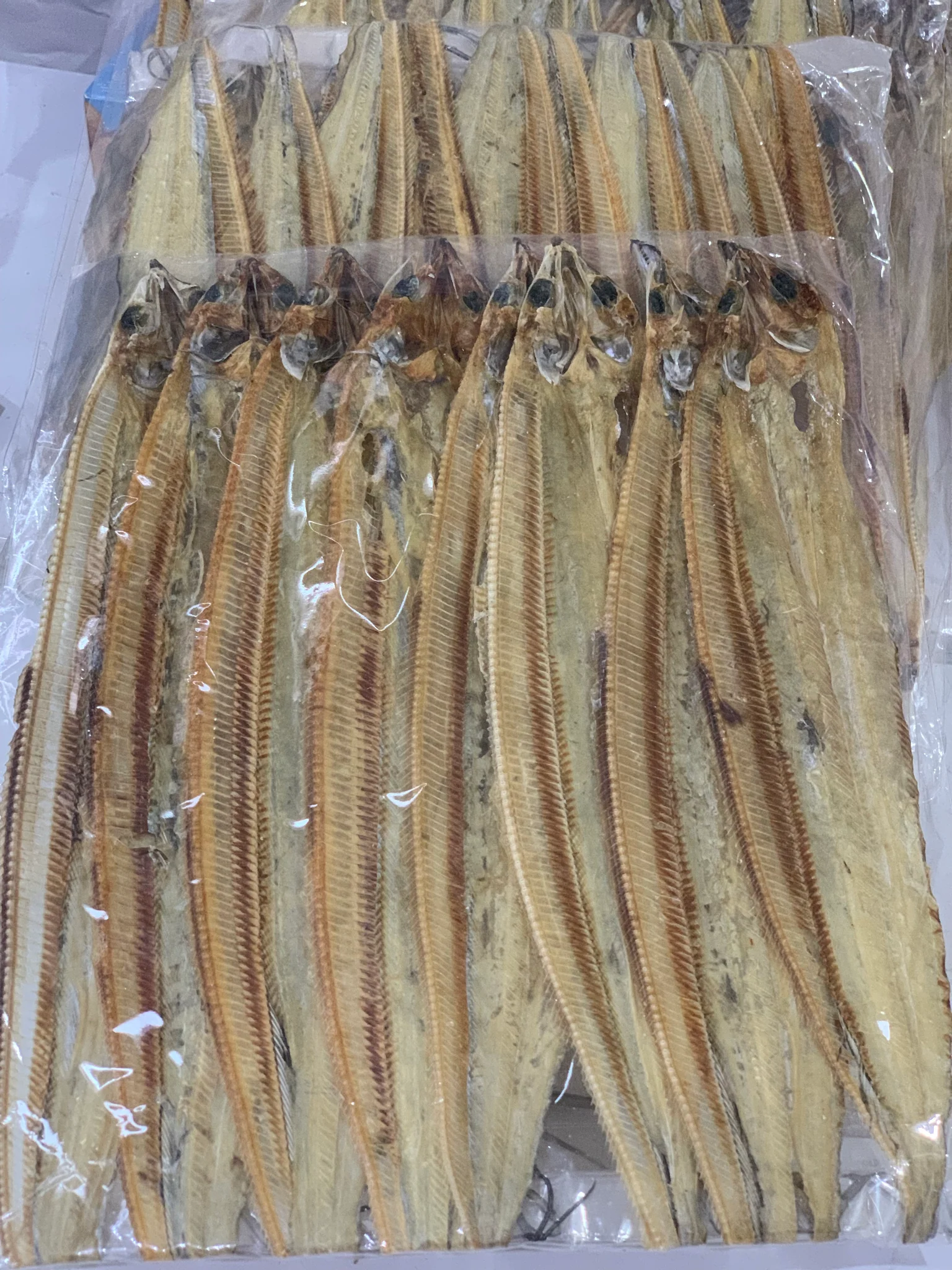
The Starbaim Block is a carefully processed frozen product made from Starbaim fish, scientifically known as Notopterus notopterus. This...
D. Moila Block is made from D. Moila fish (Amblypharyngodon mola), a small and widely consumed freshwater fish species...
Starbaime Block is processed from Starbaime fish (Notopterus notopterus), an elegant freshwater species celebrated for its mild flavor...