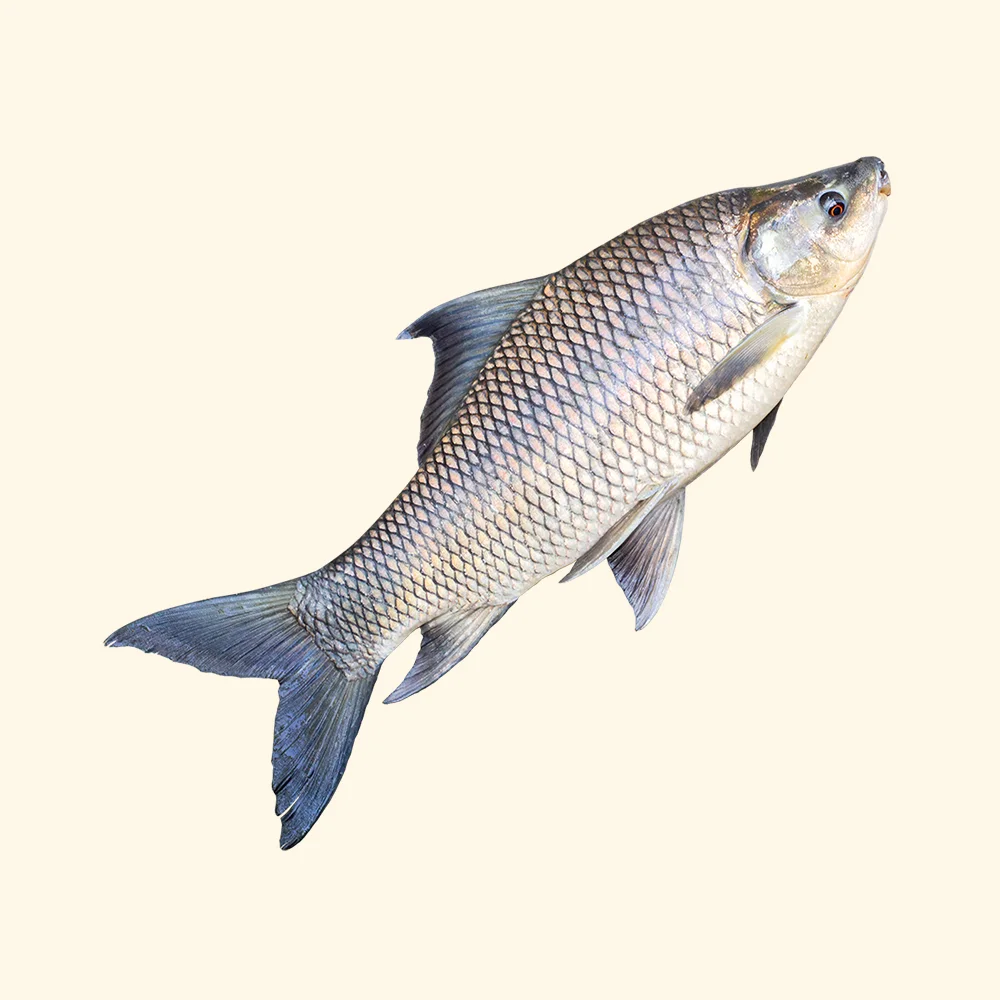
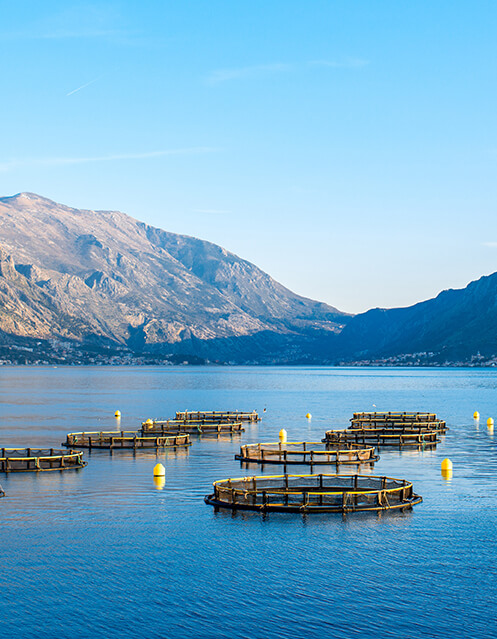
Using its extensive fish trading experience and network, Lotus International Myanmar is now a market leader exporting.
Using its extensive fish trading experience and network, Lotus International Myanmar is now a market leader exporting.
Octopus
Tags
Sea Water Fish
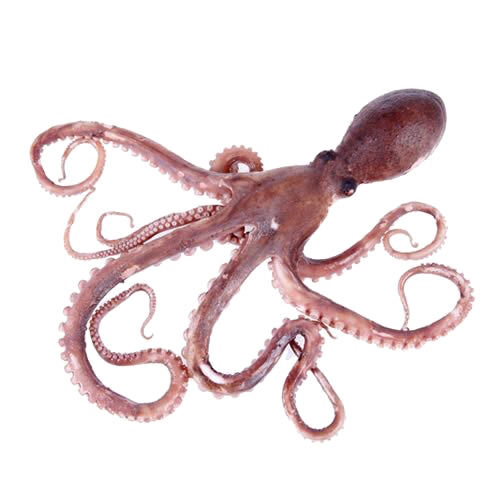
Common Name: Octopus
Scientific Name: Octopus vulgaris (Common Octopus)
Kingdom: Animalia
Phylum: Mollusca
Class: Cephalopoda
Order: Octopoda
Family: Octopodidae
Genus: Octopus
Body Type: Soft-bodied mollusk with eight flexible arms
Arm Count: 8 arms with suction cups
Average Size: 30–90 cm (12–35 inches) arm span
Average Weight: 3–10 kg (6–22 lbs) depending on species
Color: Usually reddish-brown but can change to blue, gray, or white for camouflage
Skin Texture: Smooth or slightly rough with the ability to change color and texture
Lifespan: 1–3 years (depending on species)
Special Feature: Highly intelligent, can squirt ink for defense
First Known Place / Origin: The earliest fossils and studies show octopuses have been present for over 296 million years, mostly in ancient seas around Europe and Asia.
Current Global Distribution:
Atlantic Ocean
Pacific Ocean
Mediterranean Sea
Indian Ocean
They are mostly found in shallow coastal waters but some species live in deeper oceans.
Diet: Carnivorous – feeds on crabs, shrimps, small fish, and mollusks.
Hunting Style: Uses camouflage, intelligence, and suction cups to catch prey.
Defense Mechanism:
Camouflage
Ink jetting to escape predators
Quick jet propulsion in water
Intelligence: Known for problem-solving, opening jars, and escaping enclosures.
Octopus is considered a delicacy in Mediterranean, Japanese, and Korean cuisine. Cooking it requires careful preparation to keep the meat tender.
Boiling / Simmering
Clean the octopus thoroughly.
Simmer in salted water for 45–60 minutes depending on size.
Used for salads or grilled afterward.
Grilling
Boil first to soften, then grill on open flame or charcoal.
Brush with olive oil, garlic, and herbs.
Frying (Takoyaki Style)
Popular in Japan as small fried octopus balls.
Stewing / Braising
Cook slowly with tomato, garlic, olive oil, and wine (common in Mediterranean recipes).
Tenderizing: Freeze first or gently pound with a meat mallet.
Flavoring: Marinate in olive oil, lemon, garlic, and herbs.
Avoid Overcooking: Overcooked octopus becomes rubbery.
Calories: ~82 kcal
Protein: ~14.9 g
Fat: ~1 g (very low fat)
Carbohydrates: 2.2 g
Omega-3 Fatty Acids: Present
Minerals: Rich in Iron, Copper, Selenium, Vitamin B12
Health Benefits:
Supports heart health due to omega-3
High in lean protein
Good for red blood cell formation
Has three hearts and blue blood due to copper-based hemocyanin.
Can regrow lost arms.
Dies shortly after reproduction (especially females after laying eggs).
Highly intelligent and capable of learning and memory.
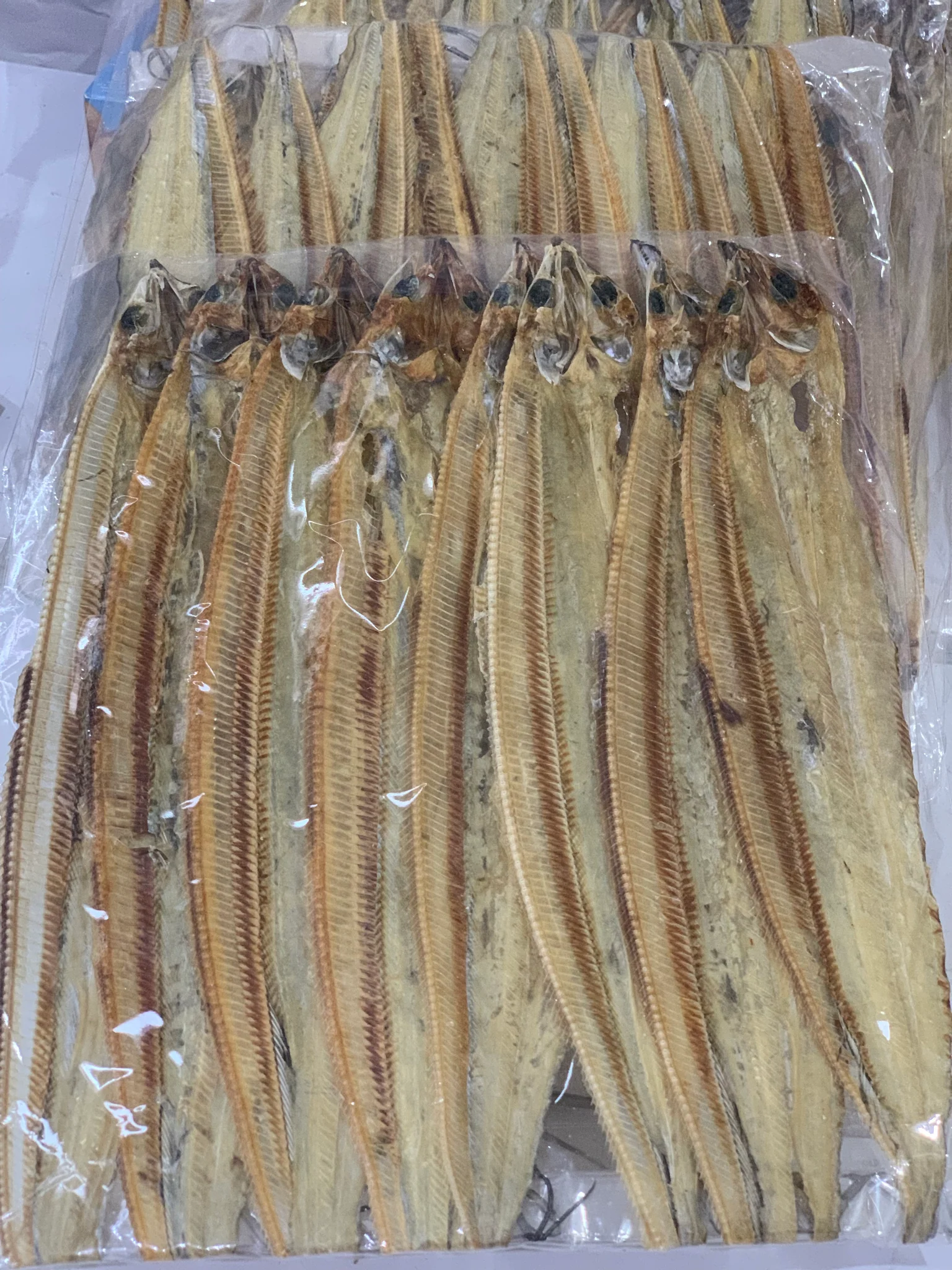
The Starbaim Block is a carefully processed frozen product made from Starbaim fish, scientifically known as Notopterus notopterus. This...
D. Moila Block is made from D. Moila fish (Amblypharyngodon mola), a small and widely consumed freshwater fish species...
Starbaime Block is processed from Starbaime fish (Notopterus notopterus), an elegant freshwater species celebrated for its mild flavor...